Waveform Monitor Definition
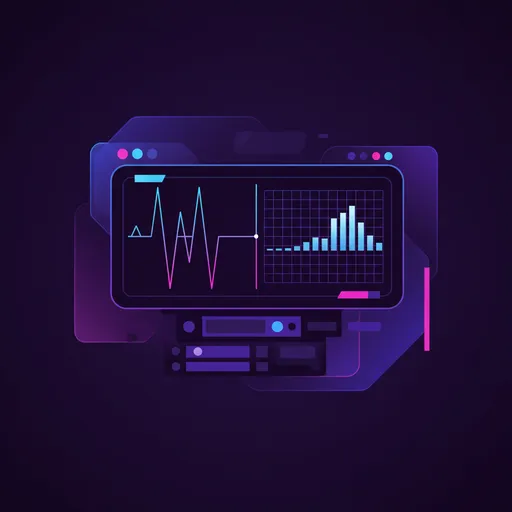
A waveform monitor is a diagnostic display tool that graphs luminance or color channel levels across each horizontal line of a video frame, enabling precise exposure evaluation independent of display calibration.
Why waveform monitors matter
Human perception of brightness is relative and easily fooled. A shot that looks properly exposed on a bright monitor in a dark room may appear completely different on a dim monitor in a bright room. Waveform monitors eliminate this subjectivity by providing an objective, numerical representation of signal levels that is independent of viewing conditions or display calibration.
The waveform plots luminance values (brightness) on a vertical axis against horizontal position in the frame. Properly exposed footage falls within defined boundaries — broadcast legal levels (16-235 in 8-bit), or 0-100% in normalized representation. Clipped highlights appear as flat lines at the top; crushed shadows appear flat at the bottom. This visualization makes exposure problems immediately obvious regardless of how the footage looks to your eye on a particular display.
For video teams, waveform monitors are essential during both production (ensuring correct exposure on set) and post-production (maintaining legal signal levels during grading). Content that exceeds broadcast legal levels may cause transmission issues, display artifacts, or rejection during quality control.
Best practices
Check waveform displays before every shot setup and after any lighting change. Camera LCD screens are unreliable for exposure evaluation — they vary in brightness with viewing angle and ambient light. The waveform is your ground truth for exposure, especially in HDR production where the stakes of clipping are higher.
Learn to read parade waveforms (RGB channels displayed separately) for color evaluation. If the red channel is consistently higher than green and blue, the image has a warm cast. Channel imbalances visible on the parade reveal color issues that your eye might accommodate to and miss, especially in mixed lighting environments.
Use waveform monitoring during color grading to ensure output levels comply with delivery specifications. Different platforms have different level requirements — broadcast, web streaming, and cinema each define legal levels differently. The waveform confirms compliance objectively where visual evaluation cannot.
How ShotAI relates
ShotAI's indexing captures exposure and luminance characteristics of footage, enabling teams to search for shots by visual properties like brightness range alongside semantic content queries.
Related Terms
Color Grading
Color grading is the creative process of adjusting the color, contrast, saturation, and tone of video footage to establish visual mood, ensure consistency between shots, and achieve a desired cinematic look..
HDR Workflow
An HDR workflow encompasses the end-to-end process of capturing, editing, grading, and delivering high dynamic range video that preserves greater detail in highlights and shadows than standard dynamic range content..
Broadcast Workflow
A broadcast workflow is the complete end-to-end process for producing, managing, and delivering television content — from initial commissioning and production through post-production, quality control, compliance review, and final playout or distribution..
Written by the ShotAI team. Last updated May 2026.